
Lunar day: 17 17: "… Thou hast made heaven, the heaven of heavens, with all their host, the earth, and all things that are therein, the seas, and all that is therein … and the host of heaven worshippeth thee." (Nehemiah 9:6) Bookmark this page.
HealthY Bible Diet Foods
Description and Benefits of Raisins
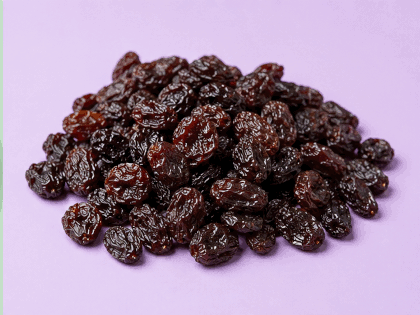
Raisins are dried grapes, so they concentrate the nutrients and sugars of fresh grapes into a small, shelf-stable food. USDA-linked nutrition data for raisins show them as mostly carbohydrate, with about 4.5 g fiber and 744 mg potassium per 100 g, and a common quarter-cup serving is roughly 129–130 calories.
Their advantages are convenience, potassium, fiber, iron in small amounts, and natural sweetness that can replace some refined sugar in oatmeal, trail mix, baked goods, and savory grain dishes. The tradeoff is portion density: raisins are much less water-rich than grapes, so calories and sugars add up quickly. They are best used in modest portions, ideally paired with nuts, yogurt, or whole grains for a more filling snack.
Nutrition facts calculator for raisin fruit products lists calories, vitamins, minerals, charts, and nutrition label for raisins. The major vitamins, minerals, and nutrients contained in your selected serving size of Raisins are displayed below in the following table. A menu of other varieties and quantities of Raisins are also listed on this page. Nutrition facts calculator for raisin fruit products lists calories, vitamins, minerals, charts, and a dynamic nutrition label. The current measurement below is 100 grams, but other options and multples are available:
Raisin, golden, seedless
USDA SR27 Database Food #09297of this type Raisin
Measurement Choices:
Raisins supply all of the vitamins, minerals and nutrients listed above.