
Lunar day: 17 17: "… Thou hast made heaven, the heaven of heavens, with all their host, the earth, and all things that are therein, the seas, and all that is therein … and the host of heaven worshippeth thee." (Nehemiah 9:6) Bookmark this page.
HealthY Bible Diet Foods
Description and Benefits of Nectarines
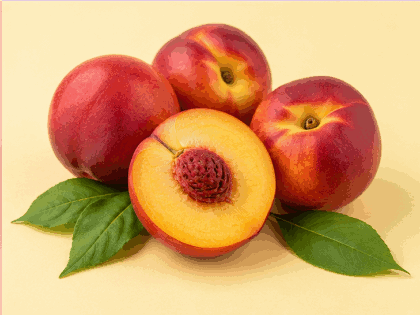
Nectarines. Nectarines are smooth-skinned stone fruits closely related to peaches, with juicy flesh, natural sweetness, and a modest calorie load. Cleveland Clinic lists one medium nectarine at about 63 calories, 15 g carbohydrate, 2.4 g fiber, 1.5 g protein, 0.45 g fat, 11 g sugar, and no cholesterol or sodium.
Their main nutritional strengths are fiber, potassium, vitamin C, and antioxidant carotenoid and polyphenol compounds, especially when eaten with the skin. Nectarines make a good snack because they are hydrating, portable, and more filling than juice due to their fiber. They work well fresh, grilled, sliced into salads, or paired with yogurt, but canned nectarines in syrup usually add extra sugar compared with fresh fruit.
Nutrition facts calculator for nectarine fruit products lists calories, vitamins, minerals, charts, and nutrition label for nectarines. The major vitamins, minerals, and nutrients contained in your selected serving size of Nectarines are displayed below in the following table. A menu of other varieties and quantities of Nectarines are also listed on this page. Nutrition facts calculator for nectarine fruit products lists calories, vitamins, minerals, charts, and a dynamic nutrition label. The current measurement below is 100 grams, but other options and multples are available:
Nectarine, raw,
USDA SR27 Database Food #09191 Refuse Desc: 9of this type Nectarine
Measurement Choices:
Nectarines supply all of the vitamins, minerals and nutrients listed above.