
Lunar day: 17 17: "… Thou hast made heaven, the heaven of heavens, with all their host, the earth, and all things that are therein, the seas, and all that is therein … and the host of heaven worshippeth thee." (Nehemiah 9:6) Bookmark this page.
HealthY Bible Diet Foods
Description and Benefits of Mulberries
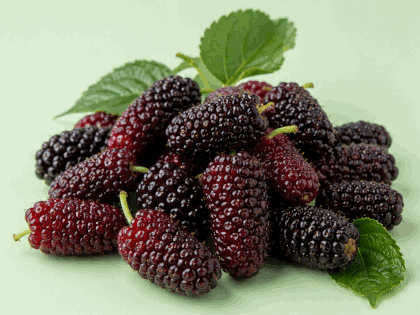
Mulberries are juicy, elongated berries that provide water, natural carbohydrates, modest fiber, and useful micronutrients while staying relatively low in calories. USDA-derived nutrient data list raw mulberries per 100 g at about 43 calories, 9.8 g carbohydrate, 1.7 g fiber, 1.44 g protein, 0.39 g fat, 194 mg potassium, 1.85 mg iron, and 36.4 mg vitamin C.
Their dark red, purple, and black pigments also suggest a meaningful polyphenol and anthocyanin contribution, similar to other deeply colored berries. In practical terms, mulberries are a good fruit for adding color, tart-sweet flavor, vitamin C, and some iron to breakfasts, yogurt, oatmeal, salads, or desserts. Fresh or unsweetened dried mulberries are nutritionally stronger choices than mulberry syrups or sweetened preserves.
Nutrition facts calculator for mulberry fruit products lists calories, vitamins, minerals, charts, and nutrition label for mulberries. The major vitamins, minerals, and nutrients contained in your selected serving size of Mulberries are displayed below in the following table. A menu of other varieties and quantities of Mulberries are also listed on this page. Nutrition facts calculator for mulberry fruit products lists calories, vitamins, minerals, charts, and a dynamic nutrition label. The current measurement below is 100 grams, but other options and multples are available:
Mulberry, raw,
USDA SR27 Database Food #09190of this type Mulberry
Measurement Choices:
Mulberries supply all of the vitamins, minerals and nutrients listed above.