
Lunar day: 17 17: "… Thou hast made heaven, the heaven of heavens, with all their host, the earth, and all things that are therein, the seas, and all that is therein … and the host of heaven worshippeth thee." (Nehemiah 9:6) Bookmark this page.
HealthY Bible Diet Foods
Description and Benefits of Mangos
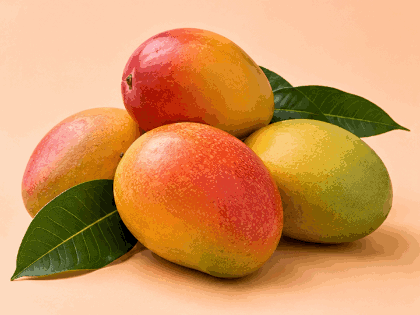
Mangos are a sweet, colorful tropical fruit that provide mostly carbohydrates, plus fiber and very little fat. USDA SNAP-Ed lists 1 cup of mango pieces at about 99 calories, 25 g carbohydrates, 3 g fiber, 23 g total sugars, 1 g protein, and 67 mg vitamin C. Their orange-yellow flesh also signals carotenoid pigments, including beta-carotene-type compounds that contribute to vitamin A activity.
Mangos are especially useful for adding vitamin C, fiber, moisture, and natural sweetness to meals. They work well in smoothies, fruit bowls, salsas, salads, and yogurt, and the fiber in whole mango makes it more filling than mango juice. Because mangos are naturally sweet, portion size matters for people monitoring blood sugar, but as a whole fruit they are nutrient-dense and versatile.
Nutrition facts calculator for mango fruit products lists calories, vitamins, minerals, charts, and nutrition label for mangos. The major vitamins, minerals, and nutrients contained in your selected serving size of Mangos are displayed below in the following table. A menu of other varieties and quantities of Mangos are also listed on this page. Nutrition facts calculator for mango fruit products lists calories, vitamins, minerals, charts, and a dynamic nutrition label. The current measurement below is 100 grams, but other options and multples are available:
Mango, raw,
USDA SR27 Database Food #09176 Refuse Desc: 29of this type Mango
Measurement Choices:
Mangos supply all of the vitamins, minerals and nutrients listed above.