
Lunar day: 17 17: "… Thou hast made heaven, the heaven of heavens, with all their host, the earth, and all things that are therein, the seas, and all that is therein … and the host of heaven worshippeth thee." (Nehemiah 9:6) Bookmark this page.
HealthY Bible Diet Foods
Description and Benefits of Guanabana Nectars
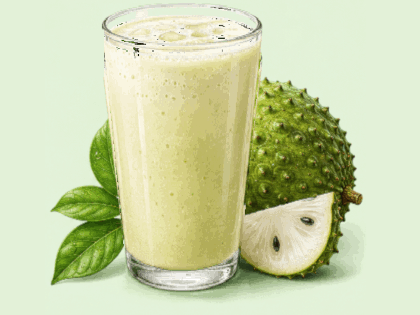
Upper-right: guanabana nectar, or soursop/graviola. Guanabana is usually enjoyed as pulp, juice, or nectar and is valued for its creamy texture, tropical aroma, and carbohydrate-rich energy. Soursop is described as a fiber-rich fruit that provides vitamin C and potassium; one cup is reported to provide about 46.4 mg of vitamin C and 626 mg of potassium, while remaining low in fat and protein.
As a beverage, guanabana nectar can be refreshing and hydrating, but its nutritional quality depends heavily on how it is prepared: fresh blended pulp retains more fiber, while strained or sweetened nectar may be higher in sugar and lower in fiber. It is generally safe to eat the fruit as food, but major cancer centers caution against treating graviola supplements or extracts as proven medicine; supplements are more concentrated and should be discussed with a healthcare professional, especially for people taking medications or managing chronic conditions.
The major vitamins, minerals, and nutrients contained in your selected serving size of Guanabana-Nectars are displayed below in the following table. A menu of other varieties and quantities of Guanabana-Nectars are also listed on this page. Nutrition facts calculator for guanabana nectar fruit products lists calories, vitamins, minerals, charts, and a dynamic nutrition label. The current measurement below is 100 grams, but other options and multples are available:
Guanabana-nectar, canned,
USDA SR27 Database Food #09434of this type Guanabana-Nectar
Measurement Choices:
Guanabana-Nectars supply all of the vitamins, minerals and nutrients listed above.